
 African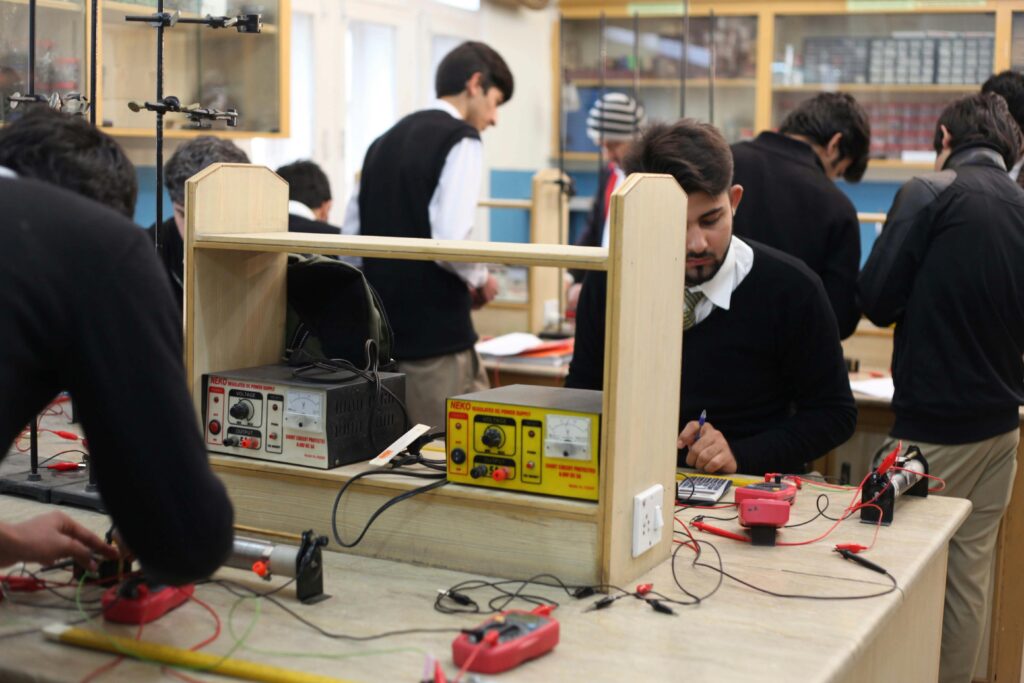
TVET Courses Kenya 2026 Reaches an Inflection Point
TVET Courses Kenya 2026: In a buzzing workshop at the Kenya Technical Trainers College, the sound of grinding metal and humming 3D printers is the new rhythm of progress. Here, 23-year-old Aisha Omondi is calibrating a drone she built for agricultural monitoring. “My certificate in Mechatronics isn’t just a paper,” she states, her eyes fixed on a diagnostic tablet. “It’s a key to the new economy.” Aisha is part of a transformative wave sweeping Kenya’s education landscape, as Technical and Vocational Education and Training (TVET) moves decisively from a perceived “plan B” to the premier pathway for powering the nation’s ambitious development goals.
The 2026 Landscape: A System Transformed
The year 2026 marks a pivotal moment for TVET in Kenya, representing the culmination of a decade of aggressive reforms under the TVET Act of 2013 and the Comprehensive TVET Strategy. The once-fragmented system of polytechnics, technical institutes, and vocational centers is now a streamlined, competency-based ecosystem. Over 2,000 accredited institutions nationwide are aligned with the Kenya National Qualifications Framework (KNQF), ensuring uniform, recognized standards from Mombasa to Lodwar.
The most significant shift is psychological. “The stigma is crumbling,” says Dr. Margaret Mwangi, CEO of the TVET Courses Kenya 2026 Authority. “Enrollment has increased by over 300% since 2020, with students and parents recognizing that a TVET diploma in a field like Renewable Energy or Digital Media is a direct ticket to employability and entrepreneurship in a skills-hungry market.”
Curriculum for the Digital-Green Revolution
Gone are the days of curricula lagging a decade behind industry. In 2026, TVET courses are agile, co-created with the private sector through Sector Skills Councils.
High-Demand Clusters for 2026 include:
- The Digital Spine: Courses in Cybersecurity, Cloud Infrastructure Support, IoT Systems Installation, and Drone Piloting & Maintenance are oversubscribed. The government’s push for a digital superhighway and local tech hubs like Konza Technopolis has created voracious demand for these practical tech skills.
- The Green Economy Engine: With Kenya’s bold climate commitments, Solar PV Technology, Green Building & Construction, E-Mobility Maintenance, and Sustainable Water Management are fast-track programs. TVET institutes are becoming living labs for green tech.
- Advanced Manufacturing & Logistics: Aligned with the Bottom-Up Economic Transformation Agenda, courses in CNC Machining, Advanced Welding, Agribusiness Processing, and Port Logistics Management feed directly into manufacturing and value-addition industries.
- Creative and Service Industries: Recognizing the soft power of Kenya’s culture, courses in Animation, Film Production, Fashion Technology, and Culinary Arts are producing globally competitive creatives and entrepreneurs.
Funding & Access: The Equity Imperative
A major driver of growth has been the TVET Courses Kenya 2026 Funding Model. The Capitation Grant and the Higher Education Loans Board (HELB) TVET Kit have made technical education accessible. In 2026, the model is more sophisticated, with performance-based funding for institutions that excel in graduate employment and innovation.
“Funding followed me based on my KCSE results and my chosen course. It covered my tuition, tools, and even a small stipend. The investment is in my hands-on ability,” shares Benard Kiprotich, a second-year student in Automotive Mechatronics in Eldoret.
The Employer Partnership Paradigm
The “TVET 2026” model is inherently symbiotic. Compulsory Industry Attachment has evolved into Earn-and-Learn Apprenticeships, in which companies such as Kenya Electricity Generating Company (KenGen), East African Breweries Limited (EABL), and Safaricom co-design curricula and host students for extended, paid placements.
“We don’t interview them after graduation; we’ve been training them for two years,” says Wanjiku Mwangi, Human Resources Director at a leading manufacturing firm. “Their competency-based certification means they can operate our German-manufactured assembly line on day one. That reduces our onboarding cost by 70%.”
Challenges on the Horizon
Despite the momentum, hurdles remain. Maintaining consistent quality across all institutions remains a challenge, with some rural centers still lacking state-of-the-art equipment. The rapid evolution of technology also pressures instructors to upskill continuously. “We have a ‘train-the-trainer’ crisis. Our teachers must be perpetual students of industry trends,” admits a principal in Western Kenya. Furthermore, while gender parity is improving in fields such as ICT and manufacturing, persistent cultural biases continue to steer young women away from certain trades.
The Prospect of the TVET Courses Kenya 2026 After Graduation
The profile of the 2026 TVET graduate is starkly different. They are tech-savvy, environmentally conscious, and possess a hybrid skill set. A graduate in Agri-Tech, for instance, understands soil science, can operate sensor-based irrigation systems, and use data analytics for crop yield prediction—all while running a small business.
Conclusion on the TVET Courses Kenya 2026
As the sun sets on another bustling day at a TVET institute in Nairobi, the narrative is straightforward. Kenya’s journey to becoming a middle-income industrial powerhouse is being built not just in boardrooms but also in workshops, labs, and studios. TVET in 2026 is no longer about alternative education; it is the central forge where Kenya’s human capital is being welded to the ambitions of its future. The certificates earned this year are not merely qualifications—they are the blueprints for a nation under construction.
Recommended Posts
- Simple Guide For The TVET College Courses Available 2026 South Africa
- TVET Colleges Courses Offered South Africa 2026: Your Guide to a Hands-On Future
- The Best TVET College Courses In Ghana 2026 For Youth: Your Practical Path to Success
- What Are The Best TVET College Courses South Africa 2026 For You?
- Complete Guide for Parents and Students On TVET Courses and Fees In Kenya





[…] Forging Futures: TVET Courses Kenya 2026 Reaches an Inflection Point […]