


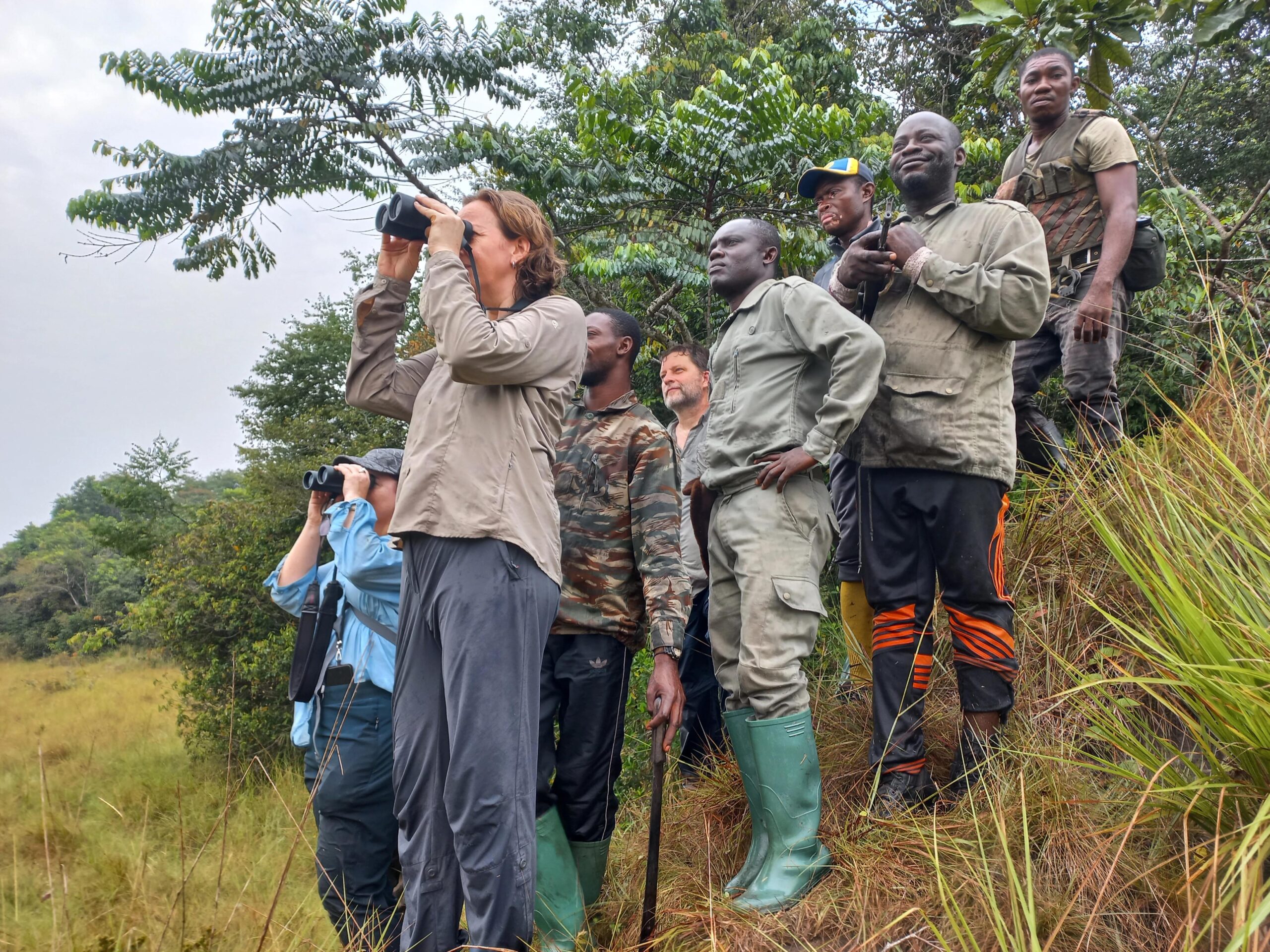

Forming the Next Generation of Conservation Leaders: Simple Guide to the Russell E. Train Fellowship 2026
The Russell E Train Fellowship 2026. Around the world, environmental issues are becoming more urgent. Climate change, deforestation, biodiversity loss, and water scarcity are placing enormous pressure on ecosystems and communities. Addressing these problems requires more than policy changes or scientific research alone—it requires a new generation of well-trained conservation leaders who can translate knowledge into action.
One programme that has consistently supported emerging environmental leaders is the World Wide Fund for Nature (WWF) Russell E. Train Education for Nature (EFN) Fellowship. For students and early-career professionals from developing countries, the Russell E. Train Fellowship offers a valuable opportunity to pursue advanced studies in conservation and environmental leadership.
If you are passionate about protecting nature and strengthening conservation activities in your country, the Russell E. Train Fellowship 2026 could be an important move toward your goals. This guide explains what the fellowship offers, who can apply, and how to prepare a strong application.
What Is the Russell E. Train Fellowship?
The Russell E. Train Fellowship is a prestigious scholarship programme that supports graduate-level education in conservation. It is administered through WWF’s Education for Nature programme, which has helped thousands of conservation professionals advance their training and careers.
The fellowship is named after Russell E. Train, a notable environmental leader who helped shape global conservation policy. Train served as the founding chairman of WWF-US and was also the second administrator of the United States Environmental Protection Agency, helping establish modern environmental governance. The fellowship reflects his vision of empowering conservation leaders within developing regions where biodiversity is simultaneously rich and under threat.
Why the Fellowship Matters
Environmental conservation requires experts who understand both science and local communities. Many of the world’s most biodiverse areas are located in developing countries where access to advanced environmental education may be limited.
The Russell E. Train Fellowship fills this gap by providing financial assistance for individuals pursuing master’s or doctoral degrees in conservation-related fields. By financing education, the programme aims to create professionals who can lead conservation activities in areas such as:
- Wildlife protection
- Climate change mitigation
- Sustainable development
- Environmental policy
- Natural resource management
Graduates of the fellowship often go on to work with governments, universities, NGOs, and international organisations focused on environmental sustainability.
What the Fellowship Offers
The Russell E. Train Fellowship is more than just financial assistance—it is a complete support system designed to help fellows succeed academically and professionally.
1. Financial Support
The fellowship provides funding to help cover major educational costs, including:
- Tuition fees
- Research expenses
- Books and academic materials
- Living expenses related to studies
The funding amount may vary depending on the study programme and the university’s location.
2. Access to a Global Network
Fellows become part of WWF’s global community of conservation professionals. This network includes researchers, policy experts, and field practitioners working across continents. Being part of this network can offer access to collaborations, mentoring opportunities, and career development resources.
3. Leadership Development
Outside academic training, fellows are encouraged to develop leadership skills. Many alumni go on to manage conservation programmes, lead environmental organisations, or affect policy decisions in their countries.
Who Can Apply for the 2026 Fellowship?
The Russell E. Train Fellowship 2026 is specifically designed for nationals of developing countries who are committed to environmental preservation. Even though exact requirements may vary each year, typical eligibility criteria include:
- Citizenship in an eligible developing country
- Admission to a recognised graduate programme related to conservation or environmental science
- Demonstrated devotion to environmental protection
- Solid academic background
- Clear plans to return and contribute to conservation in the applicant’s home country
Fields of study commonly supported by the fellowship include:
- Conservation biology
- Environmental policy
- Eco-friendly resource management
- Forestry and ecosystem science
- Climate science and response strategies
Applicants should also demonstrate leadership potential and a clear understanding of conservation challenges facing their region.
Step-by-Step Guide to Applying
Applying for a fellowship can feel overwhelming, but breaking the process into steps can make it more manageable.
The first Step is to Identify Your Academic Programme
Before applying for the fellowship, you should already have a graduate programme in mind. The fellowship supports students who have secured admission—or are in the process of applying—to universities offering conservation-related degrees. Choosing a programme aligned with your conservation goals will strengthen your fellowship application.
The second step is to prepare the required documents
Most fellowship applications require several supporting documents. These may include:
- Academic transcripts
- Updated CV or resume
- Personal statement or motivation letter
- Letters of recommendation
- Proof of admission to a graduate programme
Preparing these documents early helps avoid eleventh-hour stress.
The third step is to write a Strong Personal Statement
The personal statement is one of the most important parts of the application.
This essay should explain:
- Your educational history
- Your passion for conservation
- Environmental issues in your home country
- How graduate studies will help you address those challenges
- Your long-term career goals
A strong statement demonstrates both commitment and a distinct vision for how you will contribute to nature conservation efforts.
The fourth step is to highlight Leadership Experience
The fellowship looks for individuals who can become leaders in conservation. Include examples of leadership activities such as:
- Community conservation projects
- Environmental campaigning
- Scientific projects
- Volunteer work in conservation organisations
These experiences show that you already have the motivation and initiative required for environmental leadership.
The fifth step is to submit Your Application Online
Applications are typically submitted through WWF’s Education for Nature online portal. Applicants must ensure that all documents are uploaded correctly and that the application is submitted before the official deadline. Incomplete applications may not be considered, so careful review is essential.
Tips for a Strong Application
Merit-based scholarships and fellowships require competition to select the best recipient. Competition for international fellowships is often intense. Here are a few strategies that can improve your chances of success.
Focus on Impact
- Selection committees want to support applicants who will create significant change. Be specific about the environmental problems you want to address.
Demonstrate Local Knowledge
- Explain how conservation challenges affect communities in your country and how your work could contribute toward sustainable solutions.
Connect Education to Action
- Show how the graduate programme you plan to pursue will equip you with the skills required to implement real conservation initiatives.
The Long-Term Impact of the Fellowship
Since its creation, the Russell E. Train Fellowship has supported hundreds of conservation leaders from across the globe.
Many alumni have gone on to:
- Lead national parks and conservation agencies.
- Conduct important environmental research.
- Develop policies for ongoing resource management.
- Educate future environmental professionals.
By investing in people rather than projects alone, the programme helps generate lasting conservation impact.
Conclusion on Russell E Train Fellowship 2026
To conclude, the Russell E Train Fellowship 2026, as environmental issues continue to grow, the need for skilled conservation leaders has never been greater. The Russell E Train Fellowship 2026 offers talented individuals the opportunity to receive advanced training while helping to protect ecosystems and biodiversity.
For students passionate about defending nature and improving environmental governance in their home countries, applying for the Russell E Train Fellowship 2026 could mark the beginning of a life-changing journey. With dedication, preparation, and a distinct vision for conservation leadership, applicants can make the initial move toward building an increasingly sustainable future for our planet
Application Portal
Recommended Posts
- The Hamburg Institute for Advanced Study (HIAS) Fellowship 2027–2028 Opens For Applicants
- A Youth Internship in New Zealand with WorldStrides: A Complete Guide
- Navigating the Future: The Ultimate Guide to Youth Internship Mauritius (2025-2026)
- The Paid Internship in Japan for International Students 2026: A Useful Guide for Students
- Cracking the Code: The Ultimate Human Guide to the Google STEP Internship 2026 Application
