


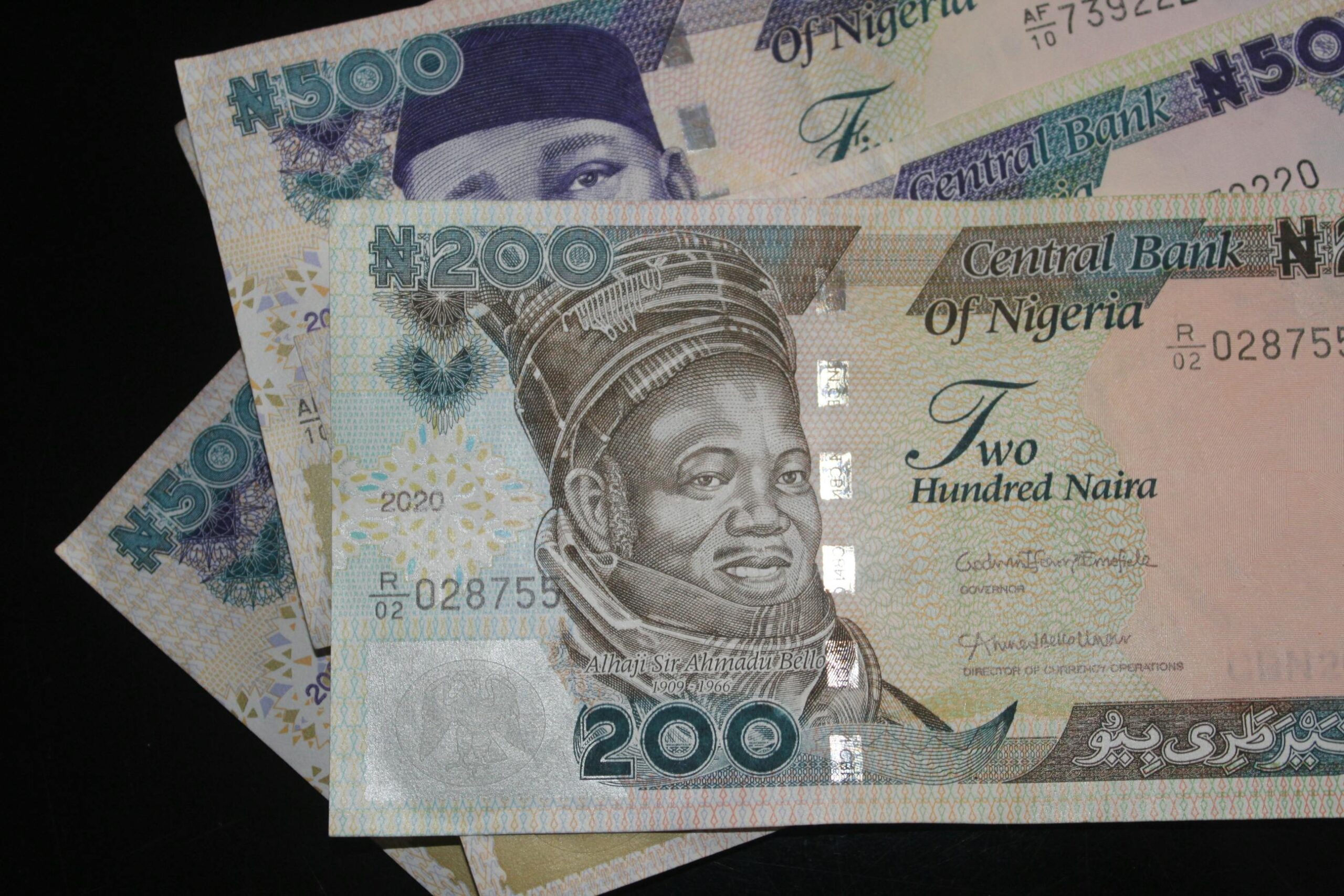

The Nigerian Naira Appreciation Dangers: The Hidden Risks Behind the Recent Rise
The Naira Appreciation Dangers: In early 2026, the Nigerian naira exhibited notable strength following years of decline. In the official market, the currency has been trading at around ₦1,350–₦1,400 per US dollar, with slightly weaker rates in the parallel market. For many people in Nigeria, this feels like good news. A stronger currency often means cheaper imports, lower inflation from imported goods, and improved purchasing power.
Several factors have helped support the naira’s recent gains. These include stronger foreign exchange inflows, higher oil earnings, increased remittances, and policy reforms by the Central Bank of Nigeria.
Impacts on Exporters
When a currency becomes stronger, a country’s exports become more expensive for foreign buyers. This can reduce demand for locally produced goods.
In Nigeria, this affects sectors such as:
- Agriculture (cocoa, sesame, cashew)
- Manufacturing and processed goods
- Non-oil exports
If international buyers turn to cheaper alternatives from countries with weaker currencies, Nigerian producers may lose market share. A stronger Naira also affects individuals who earn in foreign currency. Freelancers, remote workers, and diaspora earners receive less naira when converting their income, thereby reducing their purchasing power in Nigeria. For a country working to diversify exports beyond oil, reduced competitiveness can slow progress.
Job losses and thus slow Growth
Export-driven industries support many jobs, from farming and processing to logistics and manufacturing. If export demand falls, businesses may:
- Reduce production
- Delay expansion
- Cut hiring or lay off workers
This can slow growth in non-oil sectors, which are critical for long-term economic stability.
Some analysts also warn about dependence on short-term capital inflows — sometimes called “hot money.” These investments can quickly strengthen the currency, but they often leave just as quickly, creating instability rather than sustainable growth.
The risk of misuse of resources
It is widely accepted that countries with so much wealth may become victims of their own wealth. The many resources in the country may render some organs unable to function as they should
When this happens:
- Investment shifts toward sectors like services or real estate
- Manufacturing and agriculture become less competitive
- Imports rise while local production weakens
For Nigeria, this could slow industrial development and deepen dependence on oil revenue.
Higher interest rates — often used to attract foreign investment and support the currency — can also make borrowing more expensive for businesses, limiting expansion and innovation.
The danger of sudden Depreciation
Currency gains driven by temporary conditions may not stay stable for long. The Nigerian currency may continue to be strong only for a short while, and all that will depend on a number of issues, including:
- Global oil prices fall
- Foreign investors withdraw funds
- International financial conditions change
- Domestic economic pressures increase
A sudden drop in the currency could quickly bring back inflation, uncertainty, job losses among young people, and panic, a situation no one wants to experience.
Striking the Balance
A stronger naira does bring real benefits. It can reduce import costs and yield additional economic benefits. But we have to ask ourselves: how will the situation help youth find their way out?
Economists must study the situation as quickly as possible and inform the public to prevent public panic, which may be detrimental to the economy. The majority of the population should be assured continuity of their economic activities.
Conclusion on Naira Appreciation Dangers
Nigeria’s Naira Appreciation Dangers in 2026 offer both breathing room after years of pressure. But appreciation alone does not guarantee economic health. Sustainable growth depends on competitive industries, diversified exports, and resilient economic fundamentals. A strong currency can help — but only if it reflects real strength, not temporary momentum. In the end, stability matters more than speed. Careful management today can help prevent bigger economic challenges tomorrow.
Recommended Posts
- The Vienna Internship Opportunities Available in 2026
- The Bophelong Construction 2026 Internship Programme For South African Youth
- The Health and Welfare Sector Education and Training Authority: Graduate Internship Programme 2026
- The Woolworths Graduate Workplace Experience Programme 2026: Finance Internship Opportunity in Cape Town
- Unilever SHE Internship 2026: Hands-On Opportunity in Safety, Health & Environment at Anderbolt Factory
