
 African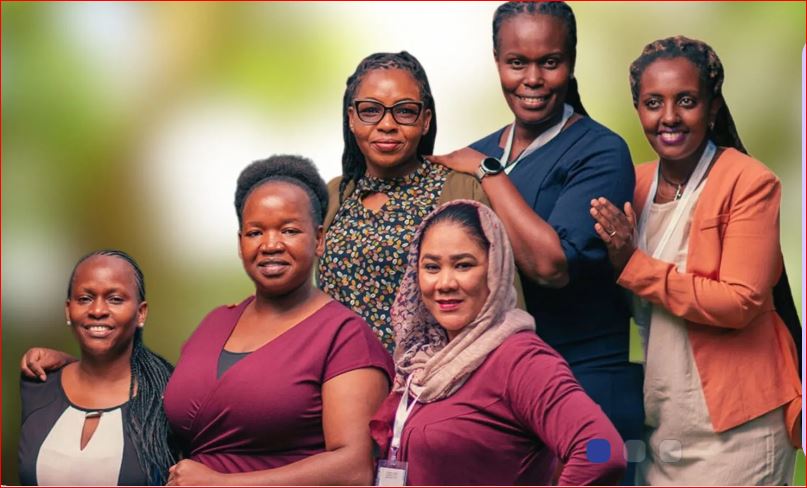
Mawazo Fellowship Program: A Transformative Initiative for Africa’s Rising Female Scholars
The Mawazo Fellowship Program is a transformative initiative to transform women’s lives. In a continent where the intellectual firepower of women has too often been overlooked, the Mawazo Fellowship Programme emerged this year as a brilliant catalyst for change. The 2023 cohort of the Mawazo Fellowship represents more than just an academic grant; it is a vibrant, carefully curated community of Africa’s most promising PhD-level female researchers, each poised to transform their local expertise into continental and global impact. As the programme concluded its latest cycle, it left an indelible mark not only on the careers of these scholars but on the very landscape of African-led research.
Profile of the Mawazo Fellowship Program
The Mawazo Institute, a Nairobi-based non-profit research institute, launched its flagship fellowship to directly address the stark underrepresentation of African women in senior research and leadership positions. The name “Mawazo” itself, meaning “ideas” in Kiswahili, captures the programme’s essence: it is an investment in the powerful ideas generated by African women for Africa’s future.
The 2023 fellowship was a 12-month, non-residential programme designed to support early-career researchers during the crucial, and often isolating, phase of completing their PhDs at universities across Africa. The initiative was a fascinating, empowering tool.
The 2023 Fellowship Blueprint: Holistic Support Beyond Funding
While many programmes focus solely on financial aid, the 2023 Mawazo Fellowship distinguished itself through a powerful, multi-faceted package:
- Catalytic Research Funding: Fellows received a $5,000 grant, not as a stipend, but as targeted funding for their research activities. This included critical expenses such as specialised laboratory equipment, fieldwork travel, software licenses, and publication costs—resources often scarce for African PhD candidates.
- Intensive Training & Capacity Building: The core of the fellowship was a bespoke Virtual Learning Exchange (VLE). This wasn’t a passive webinar series; it was an interactive curriculum covering:
-
- Research Communication: Training to translate complex findings for policymakers, media, and the public.
- Leadership & Management: Skills for leading research teams, managing projects, and navigating academic institutions.
- Grant Writing & Fundraising: Crafting compelling proposals to attract future funding.
- Career Strategy: Planning pathways in academia, industry, or public service.
- Mentorship & Network Access: Each fellow was paired with a dedicated senior mentor, an established African woman in academia or a related field, for one-on-one guidance. Furthermore, they gained lifetime access to the growing Mawazo Institute network—a powerful community of peers, alumnae, and partner organisations across the globe.
- Visibility & Platform: The Mawazo Institute actively promoted fellows’ work through its digital platforms, policy briefs, and events such as the annual Mawazo Ideas Festival, ensuring their research reached audiences who could implement it.
Meet the 2023 Cohort: A Snapshot of Africa’s Research Future
The 2023 cohort was selected from a highly competitive pool of hundreds of applicants. The chosen 15-20 fellows (exact number varies by year) represented a dazzling array of disciplines and geographies, united by a focus on development challenges.
- Dr Nana Ama Browne Klutse (Ghana), for instance, advanced her work on high-resolution climate modelling for West African agriculture.
- Maryanne Muriuki (Kenya) investigated sustainable urban planning solutions for Nairobi’s informal settlements.
- Fellows from Nigeria, Uganda, Ethiopia, and South Africa conducted research on public health innovation, renewable energy systems, food security, and governance.
This interdisciplinary mix fostered unique peer-to-peer learning, where a public health researcher could gain insights from a data scientist, and an agricultural expert could learn policy advocacy from a governance scholar.
The Application Procedures
The process for the 2023 fellowship was rigorous:
- Eligibility: Open to female PhD candidates enrolled in African universities, within the first 3 years of their programme (or those who have recently completed but not yet graduated).
- Proposal: Applicants submitted a detailed research proposal, a CV, and a compelling personal statement on their leadership vision and commitment to Africa’s development.
- Review: Applications underwent a multi-stage review by academic experts and the Mawazo team, assessing intellectual merit, potential for impact, and alignment with Sustainable Development Goals (SDGs).
The Ripple Effect: Impact Beyond 2023
The true measure of the 2023 fellowship lies in its long-term ripple effects:
- Accelerated Research: Fellows reported completing pivotal data collection and analysis phases months ahead of schedule, enabled by the grant.
- Enhanced Credibility: The “Mawazo Fellow” title became a mark of excellence, opening doors to speaking engagements, further grants, and collaborative projects.
- Community Building: The cohort built a tight-knit support system that combated academic isolation and fostered future cross-border collaborations.
- Policy Influence: Several fellows saw their research briefed to government ministries, moving ideas from journal pages into policy discussions.
A Model for the Future
The 2023 Mawazo Fellowship Programme stood as a resounding proof of concept. It demonstrated that when African women scholars are provided with not just funding but also tailored training, a supportive community, and a platform, they can rapidly accelerate their trajectories to become the next generation of research leaders, university deans, and innovation drivers across the continent.
For aspiring researchers, the 2023 cycle serves as both an inspiration and a guide. It underscores the importance of crafting research that is locally grounded yet globally relevant, and of seeking programmes that invest in the whole scholar, not just her project.
As the Mawazo Institute looks ahead to future cohorts, the legacy of the 2023 fellows is clear: they are not just completing PhDs; they are building the intellectual foundation for a more prosperous, equitable, and evidence-driven Africa.
Conclusion on the Mawazo Fellowship Program
For those inspired by the Mawazo Fellowship Program model: While the 2023 application window is closed, the Mawazo Institute opens applications for new cohorts annually. Prospective applicants should prepare by strengthening their research proposals, building a clear narrative of their impact, and monitoring the official Mawazo Institute website and social media channels for the next opportunity to turn their “mawazo” into reality.
Recommended Posts
- The DAAD-NRF Joint Scholarship Programme South Africa Is Now Open to South Africans
- The Griffith University Scholarships 2027 for Domestic and International Students
- The University of Melbourne Graduate Research Scholarships 2027 For International Students
- The Monash Humanitarian Scholarship 2027 in Australia is A Fully Funded Scholarship at Monash University
- The ACI Foundation Fellowships and Scholarships 2027: Fully Funded Opportunity for Scholars Worldwide




Add comment