


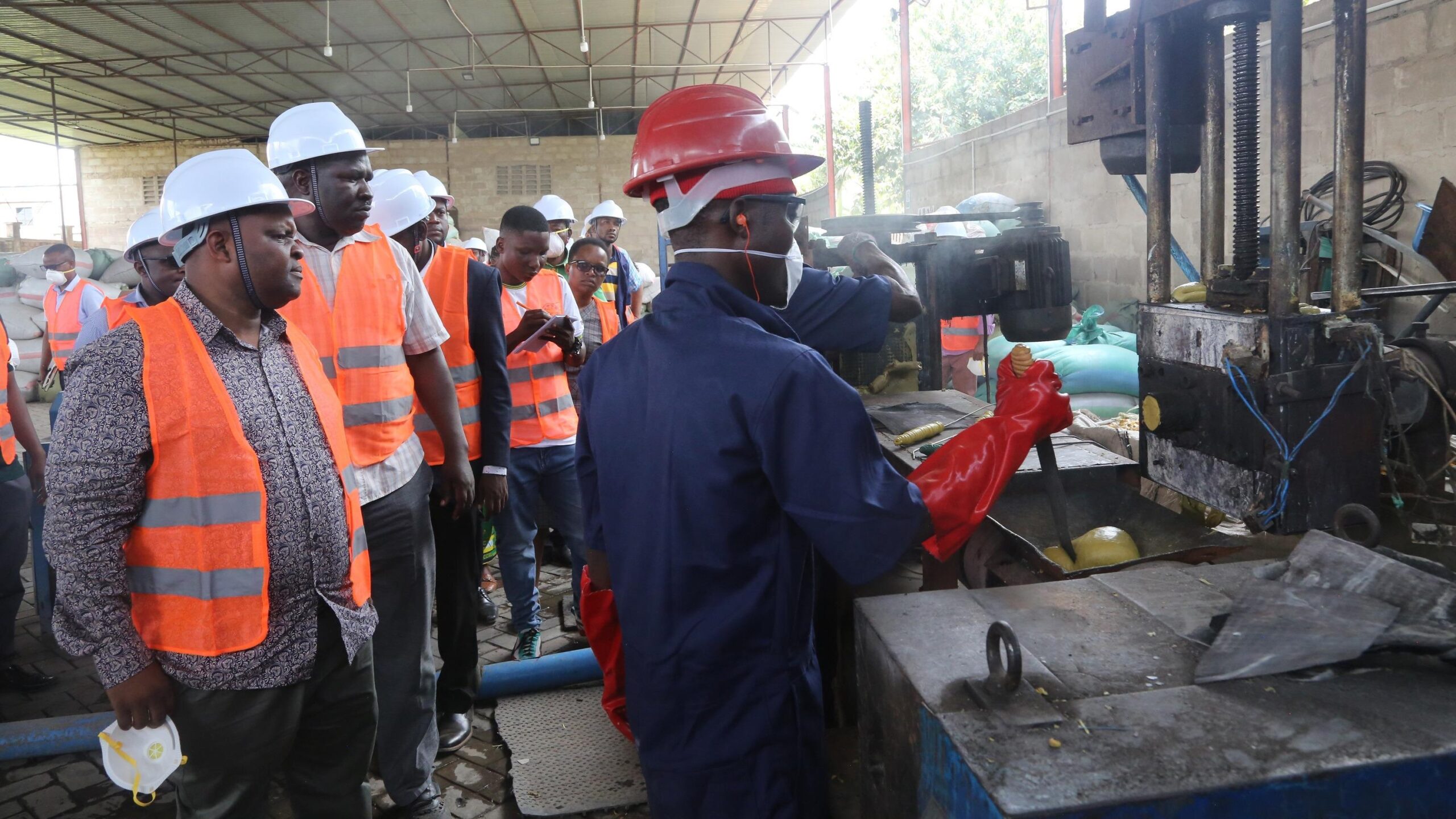

Health and Safety Internships 2026: A Practical Path into a Growing Career
The Health and Safety Internships 2026. In today’s quickly changing workplaces, health and safety are no longer secondary considerations—they are central to corporate success. From construction sites and manufacturing plants to hospitals, laboratories, and corporate offices, employers are placing increasing emphasis on protecting workers, preventing accidents, and guaranteeing regulatory compliance. As a result, health and safety professionals are in high demand worldwide.
For students and recent graduates interested in this field, health and safety internships in 2026 offer one of the most practical and effective pathways into a rewarding career. These internships offer hands-on experience, exposure to real workplace risks, and a chance to develop skills that employers actively seek.
This article considers what health and safety internships involve, why they are valuable, the types available, and how they can help you build a strong career foundation. The Health and Safety Internships 2026 are necessary for youth who will work in settings that require the duo elements.
Understanding Health and Safety as a Career
Health and safety—often referred to as Occupational Health and Safety (OHS)—focuses on preventing workplace injuries, illnesses, and environmental hazards. Professionals in this field design safety systems, conduct risk assessments, train employees, and ensure organizations comply with national and international regulations.
As fields become more complex and regulations become stricter, companies now recognize that effective safety management improves productivity, reduces costs, and strengthens their reputation. Common job titles in the field include:
- Safety Officer
- Health and Safety Advisor
- Environmental Health Specialist
- Risk Management Consultant
- Occupational Health Technician
- Compliance Officer
The demand for qualified professionals continues to rise globally, particularly in sectors such as construction, oil and gas, mining, logistics, healthcare, and manufacturing. However, employers often prefer candidates with practical workplace experience, making internships crucial.
The Reasons why the Health and Safety Internships 2026 count
Internships serve as a link between academic expertise and practical practice. While classroom learning introduces key concepts such as hazard identification, risk assessment, and regulatory systems, internships allow students to apply these concepts in real work environments. In 2026, the importance of internships is even greater due to several factors.
1. Increasing Workplace Safety Regulations
Governments across the world are strengthening workplace safety laws. Organizations must comply with rigorous rules to evade penalties and judicial risks. Interns gain firsthand experience learning about these regulations and how companies implement them in daily operations.
2. Growing Demand for Safety Specialists
Many industries are expanding rapidly, especially infrastructure development, renewable energy, and manufacturing. As workplaces grow, the need for trained safety professionals also increases. Internships allow students to enter this growing job market with practical experience that sets them apart from other candidates.
3. Exposure to Real Risk Management
Reading about hazards in textbooks is very different from identifying them in a busy workplace. Interns observe how professionals inspect worksites, analyze risks, and implement safety procedures to prevent accidents. This real-world exposure is important for building professional confidence.
What Specific Activities Do the Interns of Health and Safety Internships 2026 Perform
Health and safety interns participate in many activities that support workplace safety programs. While responsibilities vary by industry, interns typically assist experienced professionals with key safety tasks. Common internship duties include:
Conducting Safety Inspections
- Interns may help inspect workplaces to identify potential hazards, such as unsafe equipment, chemical exposure risks, or poor ergonomic practices. These inspections help organizations correct problems before accidents occur.
Supporting Risk Assessments
- Risk assessments are a core part of occupational safety. Interns assist in evaluating the likelihood and severity of hazards and help recommend control measures.
Preparing Safety Reports
- Documentation is necessary in safety management. Interns often help compile reports, maintain safety records, and prepare compliance documentation.
Participating in Safety Training
- Many organizations conduct safety training sessions for employees. Interns may assist in preparing training materials, coordinating workshops, or delivering basic safety presentations.
Investigating Incidents
- When accidents or near-misses occur, safety teams analyze what happened and how to avoid later incidents. Interns may observe or assist in these investigations, learning valuable problem-solving techniques.
Types of Health and Safety Internships
Health and Safety Internships for 2026 are available in many industries worldwide. Each sector exposes interns to different types of risks and safety challenges. It all depends on the industry an individual intends to work in as a career.
Construction Safety Internships
- Construction sites are high-risk environments that involve heavy machinery, working at heights, and electrical dangers. Interns learn how safety procedures prevent accidents and protect workers.
Industrial and Manufacturing Internships
- Manufacturing plants require strict safety procedures due to machinery, chemicals, and production processes. Interns gain experience monitoring safety standards and equipment usage.
Environmental Health Internships
- These internships focus on environmental risks, including pollution, waste management, and sustainability practices.
Healthcare Safety Internships
- Hospitals and medical facilities must manage biological hazards, infection control, and patient safety procedures.
Corporate Workplace Safety Internships
- Even office environments require safety management related to ergonomics, fire safety, and emergency preparedness. Each internship type builds distinct skills and knowledge, helping interns discover which area of health and safety best suits them.
The Competencies Developed During the Health and Safety Internships 2026
Health and safety are priorities number one in all industries. It is necessary for personnel to be in good condition to be productive. A successful internship helps students build both technical and professional skills that employers value.
Risk Assessment Skills
- Interns learn how to identify hazards and evaluate possible risks. This analytical skill is key to preventing workplace accidents.
Communication and Training Skills
- Safety professionals must communicate clearly with workers, supervisors, and management. Internships help build confidence in presenting safety information and conducting training sessions.
Problem-Solving Ability
- Workplace hazards are not always obvious. Interns learn how to analyze situations and recommend practical solutions.
Regulatory Knowledge
- Understanding safety laws and standards is a key requirement in the profession. Interns gain exposure to real regulatory compliance processes.
Teamwork and Professional Conduct
- Safety management requires cooperation among departments. Interns experience working in collaborative teams to improve workplace safety.
The Influence of Health and Safety Internships 2026 on Full-Time Employment
One of the biggest advantages of health and safety internships is their potential to lead directly to full-time employment. Many companies use internship programs as talent pipelines. Employers prefer to hire interns who already understand their safety systems and workplace culture. Interns who perform well often receive:
- Graduate trainee offers
- Entry-level safety officer positions
- Contract roles with opportunities for advancement
Even if a company does not hire an intern immediately, the professional experience and references gained can greatly strengthen future job applications.
Where to Find Health and Safety Internships in 2026
Students can find internship opportunities through several channels.
University Career Centers
- Many universities partner with companies that regularly offer internship placements for students in safety-related programs.
Government and Regulatory Agencies
- Public sector organizations often provide internships focused on compliance inspections and safety research.
International Organizations
- Global institutions and NGOs sometimes offer health and safety internships, especially in environmental health and humanitarian projects.
Corporate Internship Programs
- Large companies in construction, energy, manufacturing, and logistics frequently run structured internship programs.
Online Job Platforms
- Professional job boards and internship websites remain one of the easiest ways to discover opportunities across multiple industries.
Tips for Securing a Health and Safety Internships 2026
Competition for internships can be strong, but a few strategies can improve your chances of success.
Build relevant knowledge. Taking courses in occupational health, environmental science, or safety engineering can strengthen your application.
- Earn safety certifications. Basic safety certifications demonstrate devotion to the field and can impress employers.
- Emphasize transferable skills. Communication, analytical thinking, and attention to detail are valuable in safety roles.
- Network with professionals. Joining industry events, career fairs, or online professional groups can lead to internship opportunities.
- Prepare a strong resume. Clearly present your academic qualifications, safety training, and any related project experience.
Prospective Careers after Health and Safety Internships 2026
The field of occupational health and safety is evolving rapidly. New technologies such as wearable safety devices, artificial intelligence monitoring systems, and analytics-based risk analysis are changing how organizations manage safety.
Environmental protection and responsibility are increasingly closely linked to workplace safety, creating new career opportunities in integrated safety and environmental management. For students entering the workforce in 2026 and beyond, this field offers long-term career stability, global opportunities, and the chance to have a significant impact by protecting lives and improving working conditions.
Conclusion on Health and Safety Internships 2026
To conclude, Health and Safety Internships 2026 are more than temporary work experiences—they serve as stepping stones to a professional career dedicated to protecting people and workplaces. By combining academic information with hands-on experience, internships help students build the skills, confidence, and sector connections needed to succeed in occupational health and safety.
As industries continue to prioritize worker protection and regulatory compliance, demand for trained safety professionals will only grow. For aspiring safety specialists, a health and safety internship in 2026 can be the practical primary step toward a rewarding and influential career.
Application Portal
Recommended Posts
- The Legal Internships Jobs in South Africa: A Complete Guide for Students and Graduates
- A Youth Internship in New Zealand with WorldStrides: A Complete Guide
- Navigating the Future: The Ultimate Guide to Youth Internship Mauritius (2025-2026)
- The Chatham House Internship Dates 2026-2027: The Ultimate Application Guide
- The Paid Internship in Japan for International Students 2026: A Useful Guide for Students
