


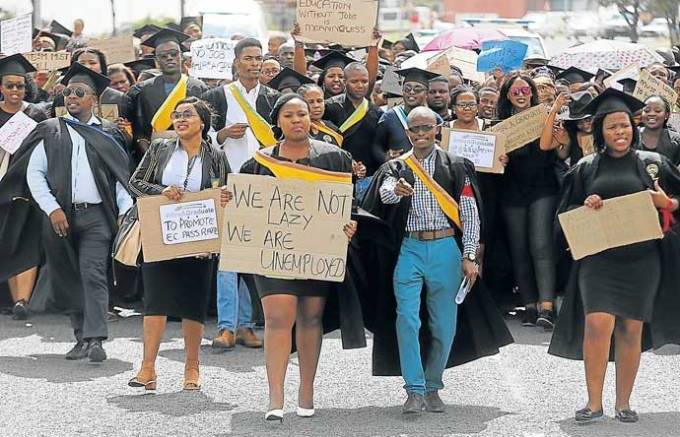
Addressing Youth Unemployment in Africa 2026
Youth unemployment in Africa is a critical crisis, leaving millions of young people eager to contribute yet unable to find work. With over 60% of the population under 25, the gap between job creation and the rising number of graduates fuels inequality. Talented graduates remain sidelined despite their qualifications, as youth unemployment rates in Nigeria, South Africa, Kenya, and Ethiopia range from 20% to 40%, according to the AfDB 2025 Report.
Youth unemployment isn’t just a statistic; it shapes the daily lives and futures of millions of African young people. Opportunities do exist in NGOs, tech startups, and programs designed for Africans. This is an appeal to act for graduates: pursue these paths, build skills, and help shape Africa’s future. Practical steps and job resources follow to help you achieve your breakthrough.
Youth Unemployment in Africa at a Glance
Youth unemployment in Africa requires urgent action, but targeted opportunities are growing. Here’s a snapshot:
- Scale of the Problem: Over 12 million African youth enter the job market each year, yet only 3 million formal jobs are created (African Development Bank, 2025 data).
- Regional Breakdown:
| North Africa | 25-30% | Skill mismatches, tourism slump |
| West Africa | 15-25% | Informal economy dominance |
| East Africa | 10-20% | Rapid population growth |
| Southern Africa | 30-45% | Economic slowdowns |
| Central Africa | 20-35% | Conflict and infrastructure gaps |
- Bright Spots: Sectors like NGOs (20% YoY growth in youth hiring), tech (15% YoY), and green energy are absorbing graduates.
- Quick Wins for Youth: 70% of opportunities require only a bachelor’s degree and basic skills, such as computer literacy.
Armed with these facts, move forward to the next actionable sections. Our aim is your employment success, which brings both economic expansion and personal dignity.
Causes and Impacts of Youth Unemployment in Africa
Root Causes Driving the Crisis
Youth unemployment in Africa results from rapid population growth outpacing job creation and from education systems that do not match market needs. Theory-based degrees are not aligned with the practical or entrepreneurial skills needed in the workforce.
Economic issues worsen this: commodity-dependent economies falter amid worldwide price swings, and SMEs, which employ 80% of youth, lack funding. In Sub-Saharan Africa, gender gaps remain; young women face 1.5x higher unemployment due to childcare and bias.
Extensive Effects on Youth and Society
Youth unemployment drains the economy by about $500 billion annually and accelerates migration. Frustration and crime rise in urban hubs as 70,000 skilled Africans leave each year. For individuals, long-term joblessness erodes confidence and mental health. Yet this crisis fuels resilience: many join gig markets via apps like Jumia or freelance platforms, showing Africa’s youth to be adaptable innovators.
Promising Sectors for Youth Employment in Africa
Africa’s job market favours dynamic sectors. Here’s where graduates thrive:
- NGO and Development: High demand for program coordinators; 25% of roles target youth.
- Health: Nurses and community health workers are needed amid pandemics.
- Marketing and Digital: Social media specialists are in high demand with e-commerce.
- Finance: Fintech roles in mobile money like M-Pesa.
- Education: Teachers and edtech developers for underserved schools.
These are consistent with Africa’s Agenda 2063, prioritising youth-led growth.

Real Youth Opportunities for Africans: Spotlight on the Mastercard Foundation Young Africa Works Program
Organization Profile
The Mastercard Foundation leads Africa’s fight against youth unemployment. Since 2006, it has partnered with governments, NGOs, and businesses to create 10 million jobs by 2030 through its Young Africa Works initiative. Operating in 20+ African countries, this Toronto-based nonprofit has invested $10 billion, impacting 45 million youth via skills training and job links.
Its importance to African youth? It closes the education-to-employment gap by focusing on disadvantaged groups, such as women and rural graduates. Achievements include training 5 million in digital skills and enabling 2 million jobs in agriculture and tech. For graduates in Dar es Salaam or Accra, it’s an entry point to viable careers that emphasise impact over profits.
YouthWorks Fellowship 2026 – Program Coordinator Roles
Location: Pan-African (remote/hybrid in Nairobi, Lagos, Johannesburg, Addis Ababa, Dar es Salaam). Job Title: Junior Program Coordinator – Youth Employment Initiatives. Open to all African countries with digital roles.
This real opportunity targets African graduates for hands-on roles in scaling youth employment programs. Take the initiative—apply now to begin building your career and have a significant impact on fellow youth across Africa.
Responsibilities
Gain direct experience through specific tasks:
- Coordinate training workshops for 500+ youth quarterly, focusing on employability skills.
- Monitor project impact using data tools such as Google Analytics and Salesforce.
- Network with local employers in the health, finance, and education sectors to place trainees.
- Develop marketing campaigns for job fairs to reach 10,000 youth via social media.
- Support grant reporting and guarantee adherence to African Union standards.
These duties build resumes, leading to full-time employment—80% of alumni secure jobs within 6 months.
Mentorship and Learning Outcomes
Expect world-class guidance:
- Professional Development: Leadership coaching from Mastercard execs; public speaking modules.
- Industry Knowledge: Knowledge of NGO operations, sustainable development (SDGs), and African markets.
- Technical Skills: Proficiency in project management (Asana, Trello), data analysis (Excel, Tableau), and digital marketing (Google Ads).
Take the next step—join our program and become a versatile professional, ready for roles in NGOs, health, marketing, finance, and education.
Eligibility Requirements
Open to African youth nationwide:
- Bachelor’s degree in Business, Social Sciences, Education, or related fields (GPA 3.0+).
- 0-2 years of experience; fresh graduates welcome.
- English proficiency (TOEFL/IELTS not required; conversational level suffices); French/Arabic bonuses for West/North Africa.
- Age 18-30; priority for women and disabled youth.
- Basic computer proficiency (MS Office, Zoom).
Duration and Compensation
- Duration: 12 months full-time, starting July 1, 2026 (flexible for students).
- Compensation: $800–$1,200 monthly stipend (tax-free, country-adjusted—e.g., TZS 2M in Tanzania), plus health insurance, $300 laptop allowance, and travel reimbursements.
- Benefits: Certification, networking events, and post-program job placement support.
Specific Sectors Covered
This fellowship prepares talent for key areas: NGO: Program scaling.
- Health: Community outreach.
- Marketing: Campaign design.
- Finance: Fintech partnerships.
- Education: Skills academies.
How African Youth Can Find and Secure Employment Opportunities
The first Step is Self-Assessment and Skill-Building.
Audit your strengths. List qualifications, then upskill via free platforms:
- Coursera (Google Career Certificates).
- Alison.com for NGO basics.
- Local hubs like iHub Nairobi.
Aim for 20 hours/week; track progress in a journal.
The Second Step is to Research Tailored Opportunities
Use sites like:
- Youthop.com (Africa-focused).
- Mastercardfdn.org/jobs.
- LinkedIn (search “youth unemployment Africa jobs”).
- AU’s Youth Start-Up Portal.
Filter for “entry-level” + your country.
The Third Step is to Craft Standout Applications
- Update CV: 1-page, quantify achievements (e.g., “Led club event for 50 students”).
- Write cover letters: 300 words, tied to youth unemployment solutions.
Fourth Step: Network Aggressively. Join WhatsApp groups (e.g., African Youth Jobs).
- Visit virtual fairs via Eventbrite.
- Cold email alumni on LinkedIn.
The fifth step is to Apply and Follow Up.
Submit 10 apps/week. Follow up in 7 days. Prepare for interviews with the STAR technique (Situation, Task, Action, Result).
The Sixth step is to Leverage Government and NGO Programs.
Explore national initiatives:
| Kenya | Ajira Digital | Digital jobs |
| Nigeria | N-Power | Youth stipends |
| South Africa | YES (Youth Employment) | Internships |
| Ethiopia | Youth Fund | Entrepreneurship |
| Tanzania | YUVAP | Vocational training |
These provide real footholds.
Additional Real Opportunities for African Youth
Tony Elumelu Foundation Entrepreneurship Programme
- Profile: Nigerian-led, created 20,000+ jobs since 2015. $5,000 seed capital for youth startups.
- Roles: Business Development Interns (marketing/finance focus).
- Duration: 6 months, $600 stipend. Apply by May 2026 at tefconnect.com.
African Development Bank Young Professionals Program
- Profile: Funds infrastructure, impacting 100M youth.
- Eligibility: Master’s + African nationality.
- Sectors: Finance, health. $2,000/month, 24 months.
USAID YouthPower Africa
- Profile: US-backed, trains 1M+ in leadership.
- Roles: Community Mobilizers (education/NGO).
- Pan-African, remote-friendly.
These are verified, ongoing programs—check sites for 2026 intakes.
Application Process for Top Opportunities
- Gather Documents: CV (PDF), cover letter, transcripts, and ID.
- Online Portal: Register on organisation sites (e.g., mastercardfdn.org).
- Submit: Upload by deadlines (e.g., June 15, 2026, for Mastercard).
- Assessments: Online tests (aptitude, skills).
- Interviews: Virtual, 30 mins; practice common questions.
- Deadlines: Vary; most close Q2 2026.
Pro Tip: Tailor apps to “youth unemployment in Africa” narratives.
Frequently Asked Questions on Youth Unemployment in Africa
What is the main cause of youth unemployment in Africa?
Youth unemployment in Africa results from a mix of factors, such as population booms, skills gaps, and slow industrialisation. Many graduates lack practical experience, while economies rely on unorganised sectors. Governments are responding with programs like Kenya’s Ajira, but youth must upskill in tech and entrepreneurship to bridge the gap.
How does youth unemployment in Africa affect the economy?
It costs Africa $500B in lost productivity each year, per the AfDB. Idle youth miss innovation contributions, worsening poverty cycles. However, exploiting the demographic dividend through jobs in green energy and digital could add 2-3% to GDP growth.
What jobs are available for youth facing unemployment in Africa?
Opportunities abound in NGOs (coordinators), health (outreach), marketing (digital), finance (fintech), and education (tutors). Programs like Mastercard’s offer stipends and training; check youthop.com for listings customised to countries like Tanzania and Nigeria.
How can African graduates overcome youth unemployment?
Start with a self-assessment, then build skills on free sites similar to Coursera. Network on LinkedIn, apply to 10 roles weekly, and target fellowships. Success stories show that persistence succeeds; many land roles within 3-6 months.
Are there paid internships that help fight youth unemployment in Africa?
Yes, like Mastercard’s ($800+/month) and AfDB’s ($2,000). They offer hands-on experience in key sectors, plus mentorship. Benefits include insurance and certifications, boosting long-term employability.
Which African countries have the highest youth unemployment?
Southern Africa leads: South Africa (45%), Namibia (38%). East Africa’s lower (10-20%) due to technology centres. All offer opportunities via regional programs.
What skills reduce youth unemployment risks in Africa?
Computer literacy, project management, and languages top lists. Youth with Google Analytics or coding skills see 40% faster hiring in marketing/finance.
Conclusion on Youth Unemployment in Africa
To conclude, youth unemployment in Africa is a major challenge, but real opportunities, such as the Mastercard Foundation’s programs, AfDB internships, and national initiatives, offer a way forward. We’ve covered causes, sectors (NGO, health, marketing, finance, education), step-by-step job hunting, and verified roles with stipends and skills gains.
African graduates and youth: Assess your skills today, apply strategically, and network relentlessly. Your breakthrough awaits. Start with one application this week. Africa’s future depends on your succeeding. You are the hope of the continent.
YOU MAY ALSO LIKE
- Discover the Opportunities for African Youth Economic Development Today
- How Can Youth Unemployment In Africa Be Addressed?
Application Portal
https://connect.yes4youth.co.za/skillquest-youth-portal.
mastercardfdn.org/careers
https://www.opportunitiesforafricans.com.
