


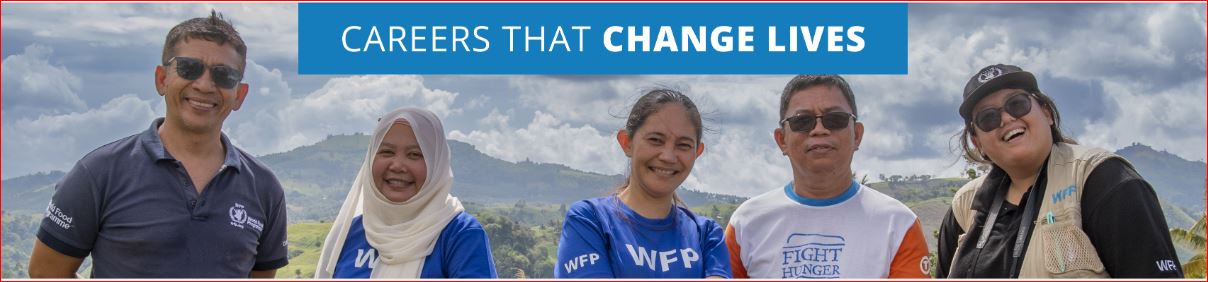

WFP Tanzania and a Programme Policy Officer in Dar es Salaam
WFP Tanzania addresses various issues, including climate change. Climate change is no longer a distant concern. Across East Africa, and particularly in Tanzania, climate extremes such as droughts, floods, and erratic rainfall patterns are increasingly shaping food security, livelihoods, and humanitarian response systems. In this evolving context, the World Food Programme (WFP) is strengthening its commitment to climate-informed humanitarian action by recruiting a Programme Policy Officer (Climate Services Expert), SC9, based in Dar es Salaam, Tanzania.
This role represents a unique opportunity for experienced climate and development professionals to contribute directly to life-saving work while shaping how climate services and early warning systems reach the most vulnerable communities. Beyond being a technical position, it is a role grounded in collaboration, inclusion, and forward-looking risk management.
WFP Tanzania Programme Policy Officer Announcement
Programme Policy Officer (Climate Services Expert), SC9 – Dar-es-Salaam
DEADLINE FOR APPLICATIONS
26 January 2026-23:59-GMT+03:00 East Africa Time (Dar es Salaam)
26 January 2026-23:59-GMT+03:00 East Africa Time (Dar es Salaam)
WFP celebrates and embraces diversity. It is committed to the principle of equal employment opportunity for all its employees and encourages qualified candidates to apply irrespective of race, colour, national origin, ethnic or social background, genetic information, gender, gender identity and/or expression, sexual orientation, religion or belief, HIV status or disability.
Profile of WFP Tanzania
The World Food Programme is the world’s largest humanitarian organization, saving lives in emergencies and using food assistance to build pathways to peace, stability, and prosperity for people recovering from conflict, disasters, and the impacts of climate change.
At WFP, people are at the heart of everything we do and the vision of the future WFP workforce is one of diverse, committed, skilled, and high performing teams, selected on merit, operating in a healthy and inclusive work environment, living WFP’s values (Integrity, Collaboration, Commitment, Humanity, and Inclusion) and working with partners to save and change the lives of those WFP serves.
To learn more about WFP, visit our website: https://www.wfp.org and follow us on social media to keep up with our latest news: YouTube, LinkedIn, Instagram, Facebook, Twitter, TikTok.
About the World Food Programme
The World Food Programme (WFP) is widely recognized as the leading humanitarian organization in the fight against global hunger. Operating in over 120 countries and territories, WFP delivers emergency food assistance while also addressing the root causes of food insecurity. Its work spans emergency response, resilience building, climate adaptation, and long-term development.
In 2020, WFP was awarded the Nobel Peace Prize, recognizing its role in combating hunger, advancing peace, and preventing the use of hunger as a weapon of war. This recognition underscores WFP’s commitment not only to saving lives but also to building sustainable futures.
At the heart of WFP’s mission is the belief that food security, climate resilience, and peace are deeply interconnected. As climate risks intensify, WFP has increasingly integrated climate science, early warning systems, and anticipatory action into its programming.
The Reasons Why The Opportunity Matters To Tanzania
Tanzania is particularly vulnerable to climate variability. Recurrent droughts, floods, and seasonal shifts have significant implications for agriculture, livelihoods, and food access. Smallholder farmers, pastoralists, and coastal communities are often the most affected, facing recurring shocks that erode resilience over time.
Climate extremes are already a key driver of food insecurity in Tanzania, compounded by economic pressures and regional instability. Traditional humanitarian response models, which focus on reacting after disasters occur, are no longer sufficient. Instead, there is a growing need for anticipatory action that uses climate forecasts and early warnings to trigger timely interventions before crises escalate. This is where the Climate Services Expert plays a central role.
Understanding Climate Services and Early Warning Systems
Climate services refer to the production, translation, and use of climate information to support decision-making. This includes seasonal forecasts, impact-based warnings, advisories, and early warning messages tailored to specific sectors such as agriculture, food security, and disaster risk reduction.
Early warning systems are most effective when they are:
- Scientifically sound
- Locally relevant
- Timely and actionable
- Accessible to communities at risk
WFP’s approach emphasizes last-mile delivery, ensuring that climate information reaches households and communities in forms they can understand and act upon. The United Nations Secretary-General’s Early Warnings for All Initiative calls for universal access to early warning systems within five years. WFP has committed to supporting this vision through its global reach and operational expertise, particularly in fragile and climate-vulnerable contexts like Tanzania.
Key Responsibilities of the Climate Services Expert
The Climate Services Expert will work under the supervision of the Anticipatory Action Coordinator and in close collaboration with national institutions such as:
- Tanzania Meteorological Agency (TMA)
- National Disaster Management Authority
- Ministry of Agriculture
- Local government authorities and community structures
Programme Design and Integration
A major component of the role involves strengthening the design and implementation of climate services and early warning systems at national, regional, district, and community levels. This includes:
- Supporting coordination of early warning message development and dissemination
- Translating climate services needs assessments into district-level action plans
- Strengthening communication structures for climate information delivery
- Building the capacity of government and community actors
Gender, Equity, and Inclusion
WFP places strong emphasis on Gender Equality and Social Inclusion (GESI). The Climate Services Expert will ensure that climate advisories and early warning messages are gender-sensitive and inclusive, recognizing that climate risks affect different groups in different ways. This includes tailoring messages to reach women, youth, persons with disabilities, and other at-risk populations, while ensuring their voices are included in co-production processes.
Indigenous Knowledge Systems (IKS)
An innovative aspect of this role is the integration of Indigenous Knowledge Systems into climate services and anticipatory action programming. Local knowledge, passed down through generations, often provides valuable insights into weather patterns, environmental changes, and coping strategies.
The expert will support:
- The design and implementation of an IKS study
- Validation of findings with communities
- Development of roadmaps for integrating IKS into climate services
Reporting, Advocacy, and Learning
Beyond implementation, the role focuses strongly on learning and accountability. The Climate Services Expert will contribute to:
- Documentation of human impact stories
- Monitoring climate services reach using the WFP’s corporate reporting framework
- Sharing lessons learned with regional and global climate initiatives
- Supporting donor reporting and compliance
These efforts help ensure transparency, continuous improvement, and evidence-based advocacy for climate-informed humanitarian action. WFP Tanzania wishes to address the question of climate change, as all international actors are doing, and it intends to register its contribution.
Collaboration Across the Climate Services Landscape
Tanzania has a growing ecosystem of climate services initiatives led by government agencies, UN partners, NGOs, and technical organizations. Effective coordination is essential to avoid duplication and maximize impact.
The Climate Services Expert will support and strengthen TMA’s leadership role by:
- Mapping climate services and early warning initiatives
- Supporting implementation of the National Framework for Climate Services (NFCS 2018–2025)
- Enhancing collaboration with partners such as NORCAP and Norges Vel
- This collaborative approach ensures alignment with national priorities while leveraging international expertise.
Expected Deliverables
By the end of the contract period, the Climate Services Expert is expected to contribute to tangible results, including:
- Functional district-level climate services and early warning coordination structures
- Strengthened national coordination led by TMA
- Tested anticipatory action dissemination during the 2026 OND season
- Completed IKS study with district action plans
- Integrated GESI approaches in climate services programming
- These deliverables directly support WFP’s broader goals of resilience building and food security.
Qualifications and Experience
Education
A Master’s degree in one of the following fields is required:
- Climate science
- Meteorology or climatology
- Environmental sciences
- Development or climate adaptation
Professional Experience
Candidates should have 3–5 years of post-graduate experience in planning and managing technical cooperation or advocacy programs related to climate, meteorology, or sustainable development. It is a skills-oriented post that targets a person with real, needed experience.
Skills and Competencies
Successful candidates typically demonstrate:
- Strong analytical and communication skills
- Ability to work independently and under pressure
- Experience working with government and UN systems
- Teamwork and cross-cultural collaboration
Language Requirements
WFP Tanzania operates in a population that primarily uses Kiswahili for most activities and English for official ones. Fluency in English and Kiswahili is essential for effective communication with national stakeholders and local communities.
WFP Leadership Framework and Workplace Culture
WFP’s Leadership Framework defines how staff work together, emphasizing integrity, collaboration, and inclusion. Employees are expected to lead by example, foster respectful workplaces, and remain focused on humanitarian outcomes. WFP also provides reasonable accommodation for individuals with disabilities and ensures fair and transparent recruitment processes.
Career Growth and Professional Development
A career with WFP offers more than a single role. Staff benefit from:
- Training and accreditation opportunities
- Coaching and mentorship programs
- Internal mobility across country, regional, and global offices
For professionals passionate about climate action, humanitarian response, and international development, this role can be a stepping stone to broader global impact. Individuals with the required skills are highly encouraged to apply for the post.
Application Process and Important Notice
Interested candidates are encouraged to apply before 26 January 2026 through the official WFP recruitment platform. WFP Tanzania does not charge any fees at any stage of the recruitment process, and applicants are advised to remain vigilant against fraudulent solicitations.
Apply here
Conclusion on WFP Tanzania
To conclude, the Programme Policy Officer (Climate Services Expert), SC9 position in Dar es Salaam, represents a meaningful opportunity to bridge climate science and humanitarian action. By strengthening climate services, early warning systems, and anticipatory action, this role contributes directly to protecting lives, livelihoods, and food security in Tanzania.
For qualified professionals seeking impactful, values-driven work within a globally respected organization, this position offers both challenge and purpose. It is an opportunity to work in an international organization with individuals coming from different parts of the world.
Recommended Posts
- Grab the UNV Opportunity to create Your Career Path in 2026
- ITM Tanzania Limited Calls for a Digital Communications Lead in Dar es Salaam
- Find UNICEF Internship Opportunities To Build Your Career in Life
- Impressive Careers Through The HVAC Apprenticeship Program In Maryland
- University Intake Periods Kenya 2026 Online Application Portal Guide For The University of Nairobi

1 Comment
Pingback: The Ruaha Catholic University Announces Vacancy for Deputy Vice Chancellor - African Youth